Aircraft modification programmes are demanding operational environments.
Whether the project involves structural alterations, passenger-to-freighter conversion, military aircraft modifications or the installation of new aircraft systems, success depends on coordinating technical requirements with production capability.
Engineering design establishes what must be achieved. Production management determines how approved work is organised, resourced, controlled and delivered.
Even a technically sound modification can encounter significant operational difficulties when planning, materials, workforce capability or communication are inadequate.
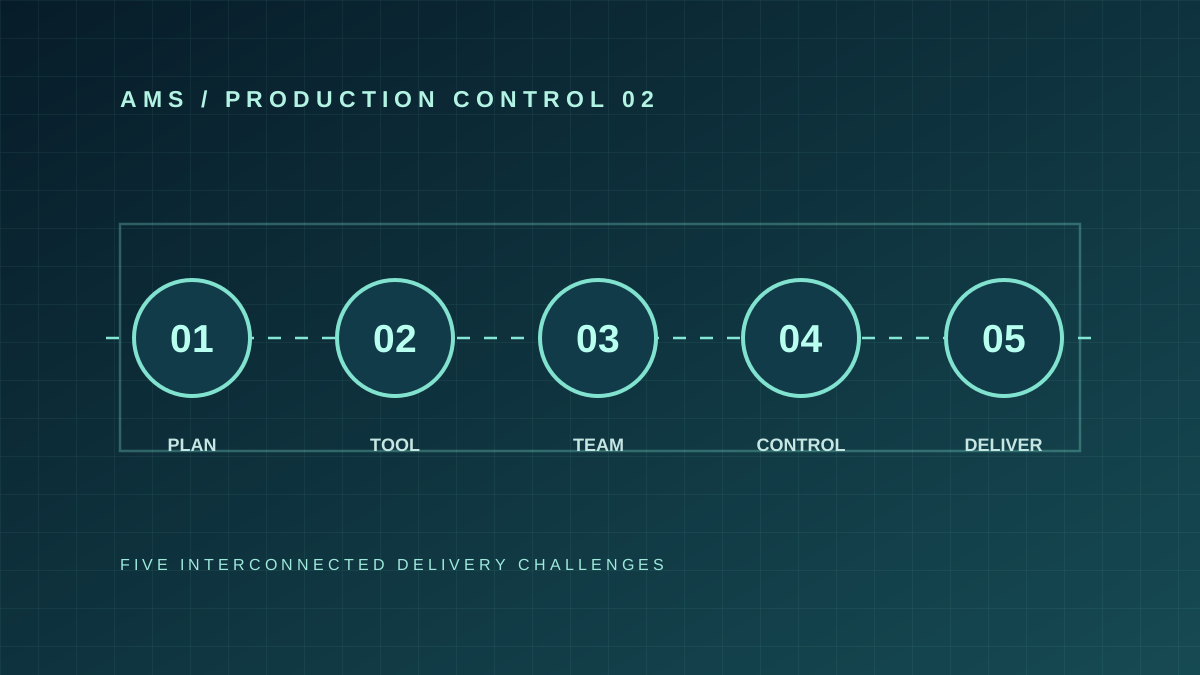
Five challenges deserve particular attention.
1. Production planning and work sequencing
One of the most common sources of production inefficiency is a schedule that does not adequately reflect the dependencies between tasks.
Aircraft modification programmes often involve different specialist teams working within confined spaces, sharing access equipment and operating against strict technical requirements.
A delay to one structural activity may affect systems installation, inspection access or subsequent testing.
Effective planning must therefore go beyond allocating estimated labour hours.
It should establish a logical work breakdown, identify critical dependencies, define the sequence of activities and confirm the conditions required before each task can begin.
Importantly, the schedule must also recognise the difference between planned progress and verified physical progress.
A task being reported as underway does not necessarily mean it is ready for inspection or that subsequent work can commence.
A useful management principle: Measure completion against defined technical and production milestones, not simply the number of tasks opened or labour hours consumed.
Where the aircraft's actual condition differs from the plan, the production schedule should be updated through a controlled process.
2. Tooling, materials and parts availability
Production delays are frequently associated with the availability of resources rather than the complexity of the task itself.
Aircraft modifications may require specialist tooling, calibrated equipment, access platforms, structural components, installation kits and approved replacement parts.
If a critical item is unavailable when required, the consequences can extend far beyond a single delayed activity.
Personnel may need to be reassigned, access equipment moved, work packages resequenced and inspection arrangements changed.
Pre-production readiness should therefore include a detailed review of tooling and material requirements against the work schedule.
This is particularly important for long-lead components or equipment shared between several teams.
A production manager needs visibility of both the expected delivery date and the actual readiness of the item for use.
Material availability should not be treated as a simple yes-or-no field.
The relevant question is whether the correct item, with the required traceability and documentation, will be available at the required location and time.
A useful management principle: Identify material and tooling constraints before they affect the critical production path.
3. Workforce capability and coordination
Having enough people on site is not the same as having the right production capability.
Aircraft modification programmes may involve structures, mechanical, electrical, avionics, inspection and specialist support personnel.
Different phases of the programme require different combinations of skills and experience.
Inadequate workforce planning can produce congestion in some areas of the aircraft while other activities remain under-resourced.
Personnel competence, training requirements, shift coverage, supervisory capacity and access to authorised inspection or certification staff all require consideration.
A realistic manpower plan should be based on the work package, available working hours and sequence of production activities.
Communication between disciplines is equally important.
An effective daily production review should establish which tasks can progress, what is blocking others and which decisions require escalation.
A useful management principle: Resource the production sequence according to competence, task readiness and actual capacity, not headline staffing numbers.
4. Technical queries, non-conformances and engineering coordination
Aircraft modification work can uncover conditions that require further engineering assessment.
These may include differences between the aircraft's actual configuration and the expected baseline, structural findings, installation difficulties or questions concerning technical instructions.
Such issues need to be captured and managed through established technical query and non-conformance processes.
The objective is not merely to record the problem.
It is to ensure that the issue reaches the appropriate engineering or quality authority, receives a controlled disposition and is correctly reflected in the work package and programme schedule.
Production teams must not substitute operational judgement for an engineering approval.
Equally, unresolved technical queries should not disappear into a reporting system without visible ownership or escalation.
For production management, the status and potential schedule effect of each significant issue should remain clear.
An effective process distinguishes between matters requiring immediate intervention, those awaiting technical disposition and work that can legitimately continue independently.
A useful management principle: Track technical issues by ownership, ageing, required decision and their effect on production readiness.
5. Delivery control, quality and stakeholder communication
Aircraft modifications rarely involve only one organisation.
Aircraft owners, operators, engineering organisations, maintenance providers, modification specialists, suppliers and regulatory stakeholders may all have responsibilities.
The resulting programme requires more than periodic progress updates.
It needs a reliable view of aircraft status, outstanding technical issues, resource constraints, inspection requirements, testing and documentation.
A programme can appear close to completion while significant closure activities remain.
Final inspections, functional tests, records review, approved documentation and release-to-service arrangements must be considered within the overall delivery plan, as applicable to the specific programme and approval framework.
Delivery confidence should therefore be based on demonstrable readiness rather than an optimistic forecast.
Good stakeholder communication requires the same discipline.
Risks should be reported early, with clear explanations of their consequences and the decisions needed to resolve them.
A useful management principle: Maintain a single, consistent view of production status, outstanding work and delivery risk across programme stakeholders.
Lessons from major aircraft programmes
Mark Bateman's professional background includes production leadership and programme support across a range of complex aerospace environments.
His experience includes the Mammoth Freighters Boeing 777-200LRMF conversion programme, RAF E-7 Wedgetail programme, Airbus A380 Wing Modular Repair Programme and international aircraft modification projects.
These roles have involved production planning, tooling procurement, recruitment support, engineering coordination, customer liaison, task-card improvement and operational delivery.
The experience spans both the establishment of new production capability and the management of work within established maintenance and modification environments.
This breadth of experience is relevant because programme difficulties rarely arise in isolation.
A technical query can affect production scheduling. A tooling delay can affect workforce utilisation. A staffing constraint can delay inspection. An incomplete work package can undermine delivery confidence.
Recognising those connections is central to effective production management.
Moving from reactive management to controlled delivery
No major modification programme operates entirely without unexpected findings or changing requirements.
The objective is not to create an unrealistic expectation of zero disruption.
It is to build an operational structure capable of identifying issues early, understanding their implications and responding without losing control of safety, quality or delivery.
Experienced production leadership contributes by connecting the technical work to the practical conditions necessary for its completion.
Ultimately, the measure of a successful aircraft modification programme is not simply how quickly activities are performed.
It is whether the required work is completed to the approved standard, with reliable records, effective resource management and a clear path to aircraft delivery.
About the author
Mark Bateman has 39 years of aerospace experience, progressing from aircraft engineering into structural team leadership, project management and senior production management. His background encompasses commercial and military aircraft programmes in the UK and internationally.
Technical information is general industry commentary, not approved engineering instructions or certification guidance. Regulatory and technical decisions remain the responsibility of appropriately authorised organisations and personnel.